The Two Towers is a Gritty Expansion of the Fantasy Epic
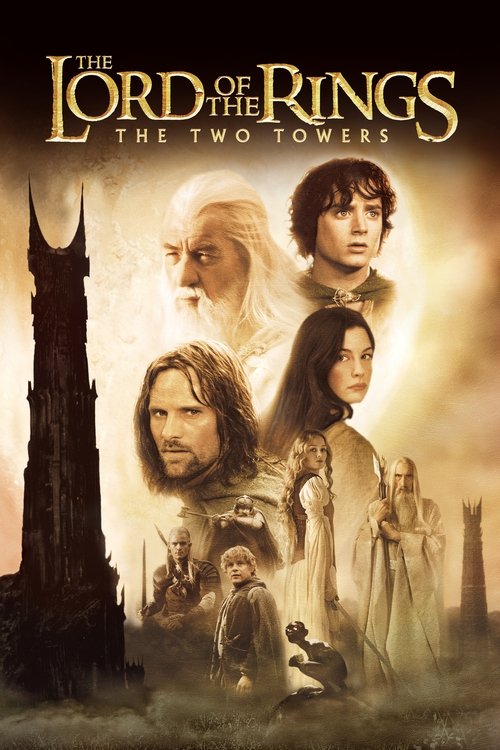
The Two Towers (2002) is a worthy continuation of the quest, successfully balancing intimate character drama with the massive scale of its fantasy warfare. It is an worthwhile watch for fans of sprawling adventure who appreciate how the narrative fractures into distinct, high-stakes missions.
A Shift Toward Darker Terrain
The film excels by moving away from the ensemble camaraderie of the first installment, forcing characters into isolated, desperate situations. The tone is noticeably grittier, reflecting the weight of the mission as the Fellowship is scattered across a landscape increasingly dominated by the threat of Saruman and Sauron. This structural choice allows for a more focused exploration of bravery, as the characters must navigate their fears without the immediate support of their full group.
While the scale of the action is impressive, the film occasionally struggles with the pacing of its multiple plot threads. The transition between the journey toward Mordor and the military defense at Helm’s Deep can feel jarring, as the urgency of Frodo and Sam’s trek is sometimes dampened by the sheer volume of combat sequences elsewhere. However, this fragmentation is a necessary trade-off for a story that aims to cover so much geographical and thematic ground.
The Technical Brilliance of Gollum
The inclusion of Gollum is the most successful element of the production, serving as a complex study in obsession and internal conflict. Andy Serkis delivers a performance that feels entirely grounded, despite the heavy reliance on digital integration, making the creature feel more tangible than many of the human characters. His interactions with Frodo and Sam provide a psychological depth that elevates the film beyond a standard adventure, turning the hunt for the One Ring into a tense, character-driven thriller.
Howard Shore’s score and Andrew Lesnie’s cinematography work in lockstep to establish the shifting moods of Middle-earth. The score avoids generic heroic swells, instead opting for dissonant, haunting motifs that mirror the corruption spreading from Orthanc. While some might find the heavy use of magic and expansive fantasy lore overwhelming, the technical execution ensures that these elements remain grounded in the physical reality of the environments.
Balancing Action and Allegory
The film manages to weave its themes of allegory and moral decay into the spectacle of war quite effectively. Instead of just relying on the spectacle of elves and dwarves in combat, the screenplay leans into the emotional cost of the conflict for Aragorn, Legolas, and Gimli. This focus on the psychological toll of leadership and duty adds a layer of maturity that is often missing from similar genre entries, making the stakes feel personal rather than just political.
This film is highly recommended for viewers who enjoy complex, long-form storytelling that isn’t afraid to let its heroes suffer significant setbacks. Those who prefer self-contained, lighthearted fantasy adventures may find the three-hour runtime and the relentless grimness of the narrative a bit taxing. Ultimately, it serves as a bridge that deepens the stakes, proving that the most compelling battles in this world are fought within the minds of those carrying the burden of the mission.