Normal (2026) is a Lean, Punchy Crime Thriller for Genre Purists
Normal is a taut, 91-minute exercise in economy that rewards viewers who prefer character-driven grit over bloated spectacle. It is a worthwhile experience for those who appreciate a stripped-down crime thriller that prioritizes atmosphere and kinetic momentum above complex world-building.
A Shift in the Small-Town Formula
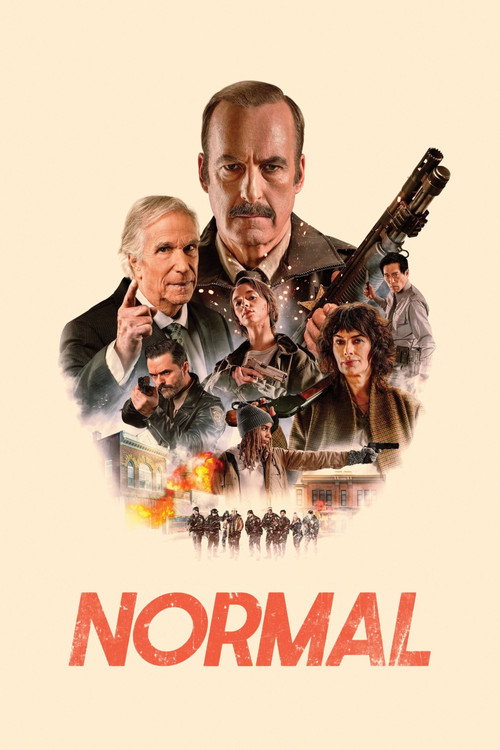
The film succeeds by subverting the expectations of the “small-town sheriff” trope, positioning Ulysses Richardson not as a stoic hero, but as a man burdened by a past he cannot outrun. Bob Odenkirk brings a weary, grounded physicality to the role that anchors the film’s more explosive turns. Armando Salas’s cinematography captures the claustrophobia of the setting, turning the sleepy town into a pressure cooker where every shadow feels like a threat.
Where the film occasionally falters is in its pacing during the second act, which struggles to balance the procedural elements of the bank robbery with the grander criminal conspiracy. While the script by Derek Kolstad and Bob Odenkirk is sharp, the transition from a localized crime story to a broader narrative about a corrupt mayor feels slightly rushed. This leap lacks the narrative breathing room required to fully flesh out the stakes of the town’s hidden secrets.
The Performance Dynamic
The chemistry between Odenkirk and Lena Headey provides the emotional core that prevents the story from becoming merely another collection of genre beats. Headey’s presence adds a layer of ambiguity to the proceedings, keeping the audience guessing about her true allegiances until the final moments. Henry Winkler, playing against type as Mayor Kibner, delivers a chilling performance that relies on quiet menace rather than overt villainy.
Those who enjoy slow-burn tension and character-focused crime dramas will find plenty to admire here. However, viewers seeking a high-octane action film with constant set pieces may find the deliberate, methodical progression of the investigation frustrating. It is a film for those who appreciate the weight of a gaze or the silence between lines of dialogue over pyrotechnics.
Technical Precision and Tone
Harry Gregson-Williams’s score is a standout element, utilizing discordant, low-frequency soundscapes that heighten the sense of unease inherent in the town’s secret. The sound design complements the visual aesthetic, emphasizing the isolation of the deputies, played with believable frustration by Billy MacLellan and Ryan Allen. This technical cohesion creates a consistent, grim tone that remains steady from the opening bank robbery to the closing confrontation.
The film’s greatest strength is its refusal to over-explain the criminal conspiracy, trusting the audience to piece together the implications of the town’s corruption alongside Ulysses. By keeping the scope limited to the immediate environment, the stakes feel personal and urgent. It is a rare example of a modern thriller that understands the value of restraint in its storytelling and visual presentation.
Normal: Ending Explained
(Spoilers ahead) The ending of Normal serves as a cynical commentary on the nature of systemic corruption, suggesting that removing one figurehead does little to cleanse a rot that has permeated the entire town. When Ulysses Richardson finally confronts the truth behind the bank robbery, the revelation that the town’s infrastructure was built on a criminal conspiracy reveals his role as a mere cog in a larger, darker machine. The ending does not offer a traditional sense of justice or a clean resolution; instead, it leaves Ulysses in a state of moral exhaustion. By exposing the secret benefactor, he effectively destroys the only stability the town had, proving that in this world, the truth is often as destructive as the lie.