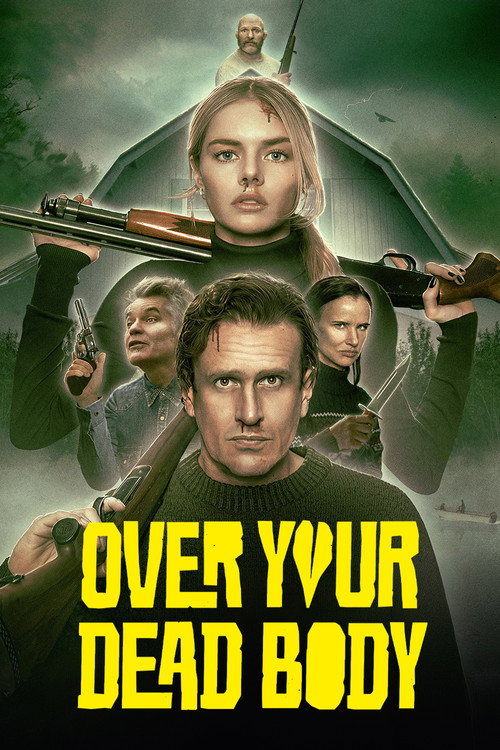
Over Your Dead Body: A Sharp, Cynical Take on Marital Warfare
Over Your Dead Body is a lean, biting action-thriller that succeeds as a dark comedy of errors, making it a worthwhile experience for those who prefer their relationship dramas served with a side of lethal intent. While the premise is familiar, the film delivers enough genuine tension and kinetic energy to justify its 105-minute runtime.
A High-Stakes Game of Cat and Mouse
The core of the film relies on the escalating friction between Samara Weaving’s Lisa and Jason Segel’s Dan as they navigate their ill-fated cabin retreat. By framing their domestic dysfunction as a literal battle for survival, the script elevates the standard “troubled couple” trope into a chaotic physical contest. The chemistry between the leads is surprisingly grounded, which makes the sudden pivots into violent action feel earned rather than forced.
Where the film truly excels is in its refusal to paint either protagonist as a victim, forcing the audience to constantly shift their allegiances. Unlike most thrillers that rely on a clear hero, this narrative thrives on the mutual toxicity of the couple. The cinematography by Matthew Weston captures the claustrophobic nature of the cabin, turning the remote setting into a functional character that constrains and eventually traps both participants.
The Pacing and Comedic Friction
The humor in this film is remarkably dry, often surfacing at the most inappropriate moments to undercut the suspense. While some might find the tonal shifts jarring, they effectively mirror the absurdity of a marriage that has reached its absolute breaking point. The supporting cast, particularly the volatile energy brought by Timothy Olyphant, adds a layer of unpredictability that keeps the middle act from stalling.
However, the film occasionally stumbles when it leans too heavily into its action sequences, which sometimes lack the visual clarity needed for high-stakes combat. While Keith Jardine provides a physically imposing presence, the choreography occasionally feels disconnected from the psychological weight of the story. If you enjoy character-driven conflict where the dialogue is as sharp as the blades involved, you will find plenty to appreciate here; if you prefer seamless, high-budget spectacle, the rougher edges of this production might frustrate you.
Targeting the Cynical Viewer
This film is a perfect fit for viewers who appreciate dark, satirical takes on the “couple in peril” subgenre. It demands a tolerance for mean-spirited characters and a willingness to laugh at the darkest impulses of its leads. If you are looking for a straightforward thriller or a romanticized view of reconciliation, this is not the movie for you.
The score by Matthew Compton does a commendable job of maintaining a sense of unease without becoming intrusive. It avoids the bombastic cues typical of the action genre, opting instead for a minimalist soundscape that highlights the isolation of the cabin. It is a focused effort that knows exactly what it wants to be, prioritizing its cynical heart over grand, sweeping statements about love or commitment.
Over Your Dead Body: Ending Explained
(Spoilers ahead) The conclusion of the film delivers as a brutal indictment of the couple’s inability to communicate, proving that their secret plans to kill one another were ultimately a projection of their own self-loathing. By having both Lisa and Dan realize that their mutual obsession with “execution” has left them entirely hollow, the film suggests that the real tragedy isn’t the violence itself, but the utter waste of energy spent trying to destroy a partner who was already a reflection of their own failures. The cabin, once a place intended for reconnection, becomes a tomb for their shared history, leaving the audience with the cold realization that some relationships are not meant to be saved, only survived.