Mortal Kombat II is a visceral, uneven expansion of the franchise
Mortal Kombat II (2026) is a high-octane action watcg that succeeds as a brutal spectacle of martial arts choreography, even though it occasionally fumbles the weight of its fantasy stakes. Fans of the source material will likely appreciate the commitment to gore and character expansion, while casual viewers may find the dense lore of Earthrealm and Shao Kahn’s dark rule a bit overwhelming.
Combat choreography and visual flair
The film thrives when it focuses on the physical intensity of its combatants, utilizing Stephen F. Windon’s cinematography to capture the kinetic energy of every strike. The fight sequences are visceral and relentless, effectively translating the video game’s signature violence into a cinematic R-rated format that feels both weighty and dangerous.
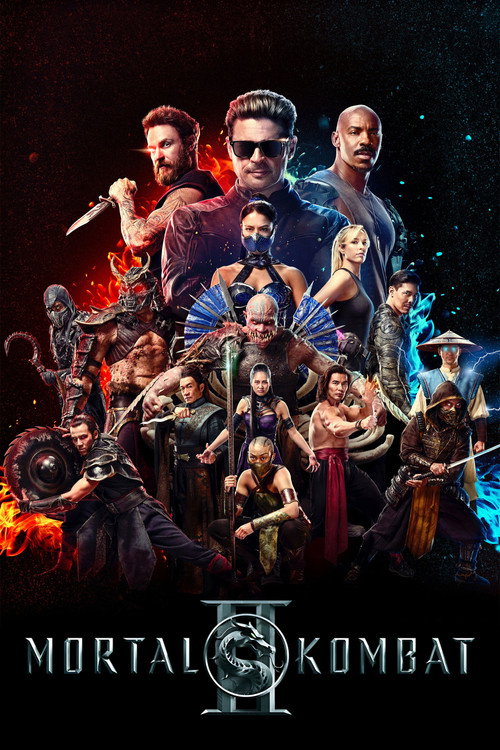
However, the film stumbles when it tries to balance the sheer number of fighters on screen. While the arrival of Karl Urban as Johnny Cage brings a necessary layer of levity to the grim proceedings, the pacing suffers under the pressure of giving every character their moment to shine. The action is undeniably impressive, but the narrative often feels like a series of disjointed skirmishes rather than a cohesive story.
The weight of the ensemble cast
Adeline Rudolph as Kitana and Ludi Lin as Liu Kang provide the emotional anchor the film desperately needs amidst the chaos of interdimensional warfare. Their performances elevate the stakes, grounding the magical elements in a tangible sense of duty that makes the final confrontation against Shao Kahn feel earned rather than inevitable.
Conversely, Lewis Tan’s Cole Young remains a strangely muted presence despite his central role in defending Earthrealm. While the film attempts to deepen his connection to the unfolding conflict, he often feels like a bystander to the more charismatic figures surrounding him. This imbalance makes the protagonist’s journey feel less vital than the side-battles occurring between the supporting ninja fighters.
Tone and thematic execution
Benjamin Wallfisch’s score is a standout component, driving the tension forward with a pulsating rhythm that complements the film’s relentless pace. It manages to capture the dark, mystical atmosphere of the alternate dimension sequences, successfully distinguishing the film’s tone from standard action fare.
This sequel is a clear improvement for those who prioritize aesthetic fidelity and combat variety over intricate world-building. If you enjoy martial arts cinema that leans heavily into fantasy tropes and unapologetic, stylized gore, this 116-minute ride is designed for you. Those seeking a grounded narrative or character-driven drama should look elsewhere, since this film is strictly focused on the spectacle of the next fight.