Mexican Psycho: A Brutal Game of Cat and Mouse
Mexican Psycho is a tense, claustrophobic thrilled movie that succeeds as a dark procedural, making it a compelling watch for fans of gritty cat-and-mouse narratives. While the film occasionally leans too heavily into its own grim premise, its commitment to a singular, unsettling visual motif makes it a standout entry in the modern horror-thriller landscape.
The Rabbit as a Narrative Anchor
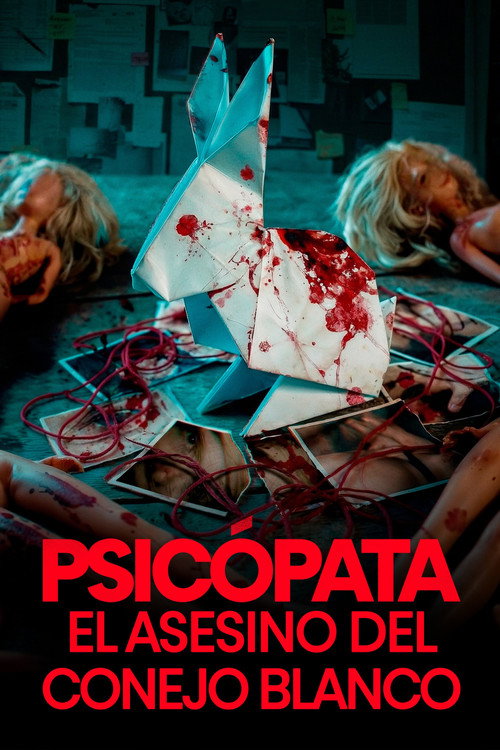
The film centers on a calculated killer who leaves behind a signature white paper rabbit at every crime scene, turning the investigation into a taunting psychological game. This specific motif acts as more than just a macabre calling card; it serves as a tether that pulls characters like Nora, Ariel, Eder, Ramírez, and Celeste into a tightening web of paranoia. The visual contrast between the stark, clean paper and the visceral violence of the scenes creates a jarring aesthetic that effectively keeps the audience off-balance.
Where the film truly shines is in how it uses this obsession to manipulate the police investigation. Rather than relying on standard procedural tropes, the script forces the investigators to confront the killer’s intellect, turning the hunt into a display of ego and futility. The paper rabbit is not just a prop; it is a manifestation of the killer’s need to be seen, which effectively elevates the tension beyond a typical slasher hunt.
Performances and Pacing
Adriana Llabrés and Hoze Meléndez anchor the film with performances that prioritize psychological exhaustion over high-octane action. Their portrayal of the toll exacted by an elusive, ultra-violent antagonist feels grounded, avoiding the common pitfall of turning police officers into invincible heroes. The chemistry between the cast members provides a necessary human element against the cold, clinical nature of the antagonist’s crimes.
However, the film stumbles slightly in its second act, where the pacing slows to accommodate an over-explanation of the killer’s motivation. While the mainstream view might praise the attempt to humanize such a monster, I found that the mystery was far more effective when the killer remained an enigma. By pulling back the curtain on the “why” too early, the film loses some of the dread that it spent the first hour meticulously constructing.
Target Audience and Final Thoughts
If you enjoy thrillers that prioritize atmosphere and psychological degradation over jump scares, Mexican Psycho is well worth your time. It is a bleak, uncompromising look at a detective’s descent into a killer’s twisted logic, and it avoids the cheap thrills that often plague the horror genre. Those who prefer fast-paced, action-heavy narratives or clear-cut moral victories will likely find the film’s nihilistic tone and slow-burn structure frustrating.
The film is best suited for viewers who appreciate a story that refuses to provide easy answers or a cathartic conclusion. It demands patience, rewarding those who pay attention to the small details left at the crime scenes. If you are looking for a straightforward monster movie, look elsewhere, but if you want a calculated, unsettling experience, this 2026 release hits the mark.
Mexican Psycho: Ending Explained
(Spoilers ahead) The final act of the film delivers that the white paper rabbit is not merely a taunt, but a mirror reflecting the investigators’ own obsessions. By the time the killer is cornered, the distinction between the law and the lawless has blurred entirely, suggesting that the “intelligence” of the psychopath was actually a trap designed to draw the police into his own cycle of violence. The ending serves as a bleak commentary on the nature of obsession, implying that the hunter eventually becomes indistinguishable from the prey he pursues.
The choice to leave the protagonist’s ultimate fate ambiguous reinforces the idea that there is no true victory in this game. The paper rabbit remains, a symbol of a cycle that will likely continue regardless of who is behind bars. By focusing on the psychological erosion of the investigators, the film suggests that the real horror is not the killer himself, but the way his presence fundamentally changes those who try to stop him.