
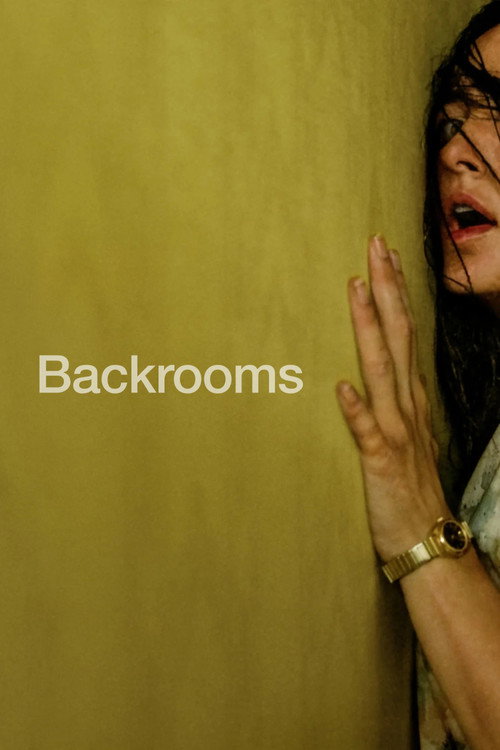
Backrooms (2026) is a haunting, uneven descent into surrealist dread
Backrooms is a rewarding experience for viewers who prefer atmospheric, slow-burn psychological horror over cheap thrills, though its narrative focus occasionally fractures under the weight of its own ambition. It effectively blends science fiction and mystery to turn a mundane furniture showroom into a claustrophobic trap of childhood trauma.
A Shift from Found Footage to Surrealism
The film succeeds most when it leans into the uncanny nature of the 1990s aesthetic, using the sterile, yellow-hued corridors to evoke a specific, unsettling nostalgia. Cinematographer Jeremy Cox captures these spaces with a clinical precision that makes the viewer feel like an intruder in a reality that was never meant to be occupied by humans.
While the transition from the found footage roots of the source material to a more traditional narrative structure is technically impressive, it creates a tonal dissonance that may alienate purists. The film struggles to decide if it wants to be a gritty character study of alcoholism or a high-concept monster movie, resulting in a middle act that meanders when it should be tightening the screws.
Character Dynamics in the Void
The performances by Chiwetel Ejiofor and Renate Reinsve provide a necessary emotional anchor, grounding the more abstract, surrealist elements of the plot in genuine human suffering. Ejiofor’s portrayal of Clark is particularly effective, as he navigates the intersection of his professional role as a therapist and his own internal demons, making his vulnerability feel earned rather than forced.
Conversely, the inclusion of Mark Duplass and the younger cast members feels somewhat peripheral, serving more as narrative tools to move the investigation forward rather than fully realized individuals. This is a film for those who appreciate character-driven science fiction that prioritizes mood over clear-cut answers; those looking for a fast-paced creature feature will likely find the pacing frustratingly deliberate.
The Sound of Isolation
Edo van Breemen’s score is the unsung hero of the production, utilizing low-frequency hums and distorted 90s-era synth textures to mirror the protagonist’s descent into alcoholism and confusion. The sound design forces the audience to confront the silence of the Backrooms, turning the absence of noise into a primary antagonist that feels heavier than any physical monster.
However, the script by Will Soodik occasionally leans too heavily on exposition regarding the nature of the doorway, which threatens to demystify the very terror it works so hard to build. The film is at its peak when it trusts the audience to interpret the shifting geometry of the furniture showroom without needing a scientific explanation for why the monster exists.
Backrooms: Ending Explained
(Spoilers ahead) The conclusion suggests that the Backrooms are not a physical location in California, but a manifestation of the characters’ repressed childhood trauma leaking into reality. By framing the monster as a byproduct of Clark’s alcoholism and unresolved history, the film argues that the “doorway” is a psychological escape hatch that ultimately traps the individual in a loop of their own making.
When the characters fail to reconcile their pasts, they are left to inhabit the infinite, decaying architecture of their own minds. The ending implies that “not being supposed to be here” is a warning not against a place, but against the act of dwelling in one’s own grief, leaving the survivors in a state of eternal, stagnant purgatory.





★★★★☆it’s rather scary