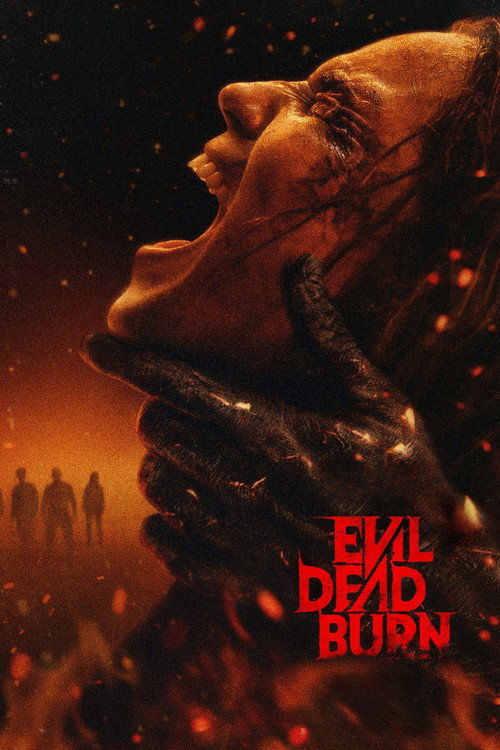
Evil Dead Burn is a visceral, if uneven, addition to a storied franchise
Evil Dead Burn is a chaotic, blood-soaked mess of family drama, but it totally works just because of how incredibly mean and nasty it is. It is worth your evening if you prioritize practical gore over narrative coherence, though those seeking a tight, character-driven story will likely find themselves alienated by the film’s relentless cruelty.
A masterclass in practical splatter
The movie really works because it skips the clean, CGI look and goes for those real, sticky, and super creepy practical effects instead. Cinematographer Philip Lozano captures the decay of the family home with a grit that makes every possession feel claustrophobic and immediate, grounding the supernatural elements in a very real sense of physical space.
While some critics argue that the brutality here reaches a point of diminishing returns, the sheer commitment to the craft is undeniable. Unlike many modern horror sequels that rely on jump scares, this entry forces the audience to sit with the aftermath of its violence, effectively turning the screen into a canvas of visceral, squelching horror.
When the script fails the carnage
The primary issue lies in the thin characterizations provided by the script. While Souheila Yacoub delivers a dedicated performance as Alice, the emotional weight of her grief is frequently sidelined to make room for yet another gruesome transformation sequence, leaving the central family dynamic feeling more like a checklist of tropes than a genuine exploration of loss.
Some reviewers have suggested this film expands the franchise’s potential, but I find that claim overstated. It does not reinvent the wheel so much as it paints the existing one in brighter, bloodier colors; it is a film that values the “ick factor” over the thematic depth that the best entries in this series have historically provided.
The audience divide
If you are a fan of the series’ long-standing commitment to high-energy, gore-heavy horror, you will find enough here to keep you engaged for its 109-minute runtime. The pacing is frantic, and the practical effects are consistently impressive, ensuring that the “Burn” promised by the title is felt in every scene of chaotic possession.
However, if you are a casual viewer or someone who requires a compelling narrative backbone to sustain your interest, you should skip this. It is a film for completists who want to see how far the boundaries of the series can be pushed, even at the expense of a coherent emotional arc.
Evil Dead Burn: Ending Explained
(Spoilers ahead) The conclusion of the film serves as a grim commentary on the inescapable nature of grief. By suggesting that Alice’s wedding vows—which promise loyalty until death—are the very mechanism that binds her to the demonic influence of her in-laws, the film posits that her attempt to find solace in the family home was a fatal error from the start. The final frames imply that the possession is not merely a supernatural event but a manifestation of the suffocating, cyclical trauma that defines this specific, dysfunctional family unit.