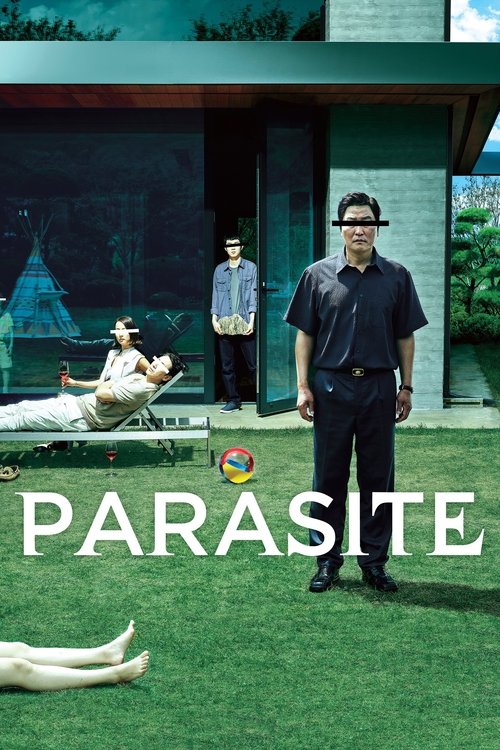
Parasite is a Vital, Sharp-Tongued Examination of Class War
Bong Joon-ho’s 2019 dark comedy-thriller Parasite is an essential watch that manages to be both a pulse-pounding heist film and a scathing, cynical indictment of modern social stratification. It is a rare, precise piece of filmmaking that earns every bit of its acclaim by refusing to offer easy answers or comfortable resolutions.
A Masterclass in Controlled Chaos
The film follows the Kim family, a destitute clan living in a cramped semi-basement, as they methodically infiltrate the lives of the wealthy Park family through a series of increasingly elaborate deceptions. The genius of the script lies in its ability to shift tones seamlessly; what begins as a lighthearted, almost caper-like comedy of errors slowly curdles into something far more claustrophobic and violent as the Kims’ web of lies starts to fray.
While some detractors have argued that the film relies on familiar tropes or echoes narrative beats from older cinema, this criticism misses the point of the director’s intent. The film isn’t trying to reinvent the concept of the con-artist story; it is actively crashing into these stereotypes to expose the absurdity of the social hierarchy that necessitates them in the first place.
Visual Storytelling and Social Friction
The cinematography and production design are integral to the film’s effectiveness, using the verticality of the Park mansion versus the subterranean reality of the Kim home to visualize the chasm between classes. Every frame feels deliberate, with the camera work emphasizing the physical distance and the invisible barriers that keep these two worlds from ever truly understanding one another.
The performances are equally calibrated, with the cast balancing the desperate, frantic energy of the Kims against the oblivious, polite detachment of the Parks. It is a terrifyingly grounded performance from the entire ensemble, ensuring that even when the plot takes its most extreme, thriller-esque turns, the emotional stakes remain rooted in the characters’ fundamental need for dignity and survival.
Who Should Watch and Who Should Skip
If you enjoy films that challenge you to think while keeping you firmly strapped into your seat, this is mandatory viewing. It is perfectly suited for those who appreciate dark, biting humor and narratives that refuse to provide a tidy, moralistic bow at the end of the final act.
However, if you are looking for a lighthearted romp or a film that prioritizes traditional hero-villain dynamics, you might find the experience deeply uncomfortable. Those who prefer their thrillers to be straightforward and devoid of lingering social commentary may find the film’s shifting tone and bleak finality more frustrating than rewarding.
Parasite: Ending Explained
(Spoilers ahead) The final act serves as a brutal rejection of the ‘American Dream’ narrative, where the Kims’ attempt to climb the social ladder ends not in prosperity, but in a horrific collision of class realities. The ending suggests that the architecture of the wealthy house is a trap for those beneath it, and the lingering, haunting image of the son’s plan to eventually buy the house highlights the tragic, cyclical nature of a system that keeps the working class dreaming of a goal that is fundamentally designed to remain out of reach.