Young Washington is an earnest but uneven history lesson
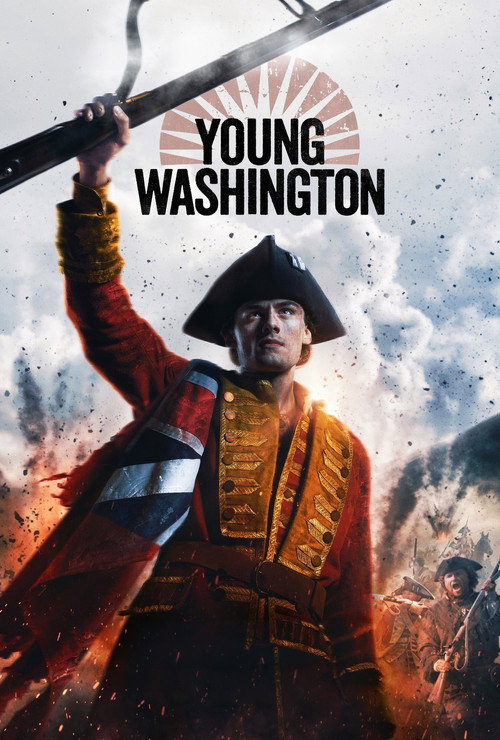
Young Washington (2026) is a watchable, if occasionally stiff, historical drama that succeeds more as a character study than a war epic. While it avoids the trap of turning its subject into a marble statue, it struggles to balance its heavy-handed tone with the visceral realities of 18th-century combat.
The human cost of early failure
The film distinguishes itself by focusing on George Washington’s initial military blunders rather than his later triumphs. Seeing a future icon fumble through the French and Indian War provides a grounded perspective that is rarely explored in standard biographies.
William Franklyn-Miller brings a surprising amount of vulnerability to the lead role, effectively portraying a man who is clearly out of his depth. This focus on fallibility makes the narrative feel more authentic than the usual myth-making exercises found in this genre.
Technical polish versus dramatic weight
Kristopher S. Kimlin’s cinematography captures the period with a sharp, clean aesthetic that feels polished, though it sometimes lacks the grit needed for a war film. Deana Kiner’s score is equally professional, yet it occasionally pushes the sentimentality too hard, telling the audience exactly how to feel during key scenes.
The script relies heavily on predictable beats to move the plot forward, which often undermines the tension. While Ben Kingsley delivers a commanding performance as Robert Dinwiddie, he is frequently tasked with delivering exposition that weighs down the film’s pacing.
Who should commit to the front lines
If you are a fan of traditional, inspirational historical dramas that prioritize character growth over complex political maneuvering, this film will satisfy your appetite. It is a safe, well-intentioned production that avoids cynicism and plays directly to the strengths of its core cast.
However, viewers seeking a gritty, unflinching look at the brutal realities of 18th-century warfare should look elsewhere. The film’s PG-13 constraints and focus on personal narrative mean that the broader, more chaotic elements of the conflict are often relegated to the background.