Sugar (2024) Is a Stylized Neo-Noir Worth Seeking Out
Sugar is a rewarding, atmospheric addition to the private detective genre that succeeds primarily through its commitment to a unique, optimistic tone rather than standard cynical tropes. It is an ideal experience for those who appreciate character-driven mysteries that prioritize mood and visual flair over traditional investigative pacing.
A Shift in the Detective Archetype
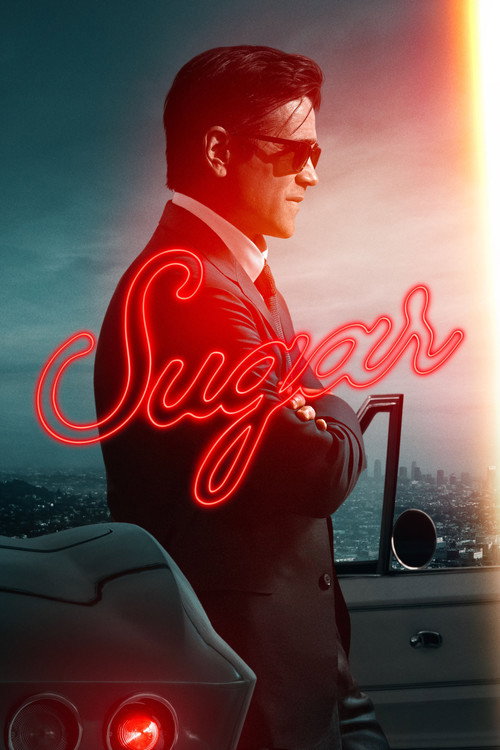
Most neo-noir protagonists are defined by their exhaustion or moral erosion, yet Colin Farrell’s John Sugar offers a refreshing departure by actively choosing to see the inherent good in the people he encounters. This perspective creates a compelling tension against the dark, dangerous corners of Los Angeles he navigates, turning the typical hard-boiled narrative into something surprisingly vulnerable.
Where the show occasionally stumbles is in its pacing, as the deliberate, slow-burn approach may frustrate viewers expecting a high-octane thriller. While the mystery of the missing person remains the primary hook, the series frequently pauses to indulge in stylistic flourishes and character beats that feel disconnected from the central investigation, though these moments are essential for grounding Sugar’s elusive, haunted nature.
Visuals and Soundscapes of Los Angeles
The cinematography captures a version of Los Angeles that feels both sun-drenched and inherently lonely, perfectly mirroring the protagonist’s internal state. This visual language is bolstered by Ali Shaheed Muhammad’s score, which eschews the aggressive, driving percussion often found in the genre for something smoother and more contemplative.
This series is best suited for viewers who enjoy immersive, character-focused dramas where the setting functions as a primary participant in the story. If you prefer mysteries that rely on constant action, rapid-fire revelations, or a gritty, traditional aesthetic, you will likely find the measured, introspective rhythm of this show to be a mismatch for your tastes.
The Weight of Hidden Truths
The strength of the narrative lies in the secret that John Sugar carries, which looms over every interaction he has with characters like Danny Moon and Charlotte Fischer. By keeping this secret just out of reach for much of the runtime, the show forces the audience to question whether Sugar’s relentless optimism is a genuine personality trait or a necessary defense mechanism against his own dangerous reality.
The supporting cast, particularly the interplay between Tony Dalton and Raymond Lee, adds necessary layers of complexity to the investigation. These performances ensure that the mystery feels grounded in human stakes, preventing the show from becoming too abstract or lost in its own stylistic choices, even when the plot threads become increasingly knotted.
Sugar: Ending Explained
(Spoilers ahead) The conclusion of the series fundamentally reframes the entire narrative by revealing that Sugar’s internal struggle is not merely a psychological burden, but an existential one. By resolving the mystery of the missing person while simultaneously exposing the true nature of Sugar’s secret, the show suggests that his capacity for goodness is a deliberate, perhaps even radical, act of defiance against a world that demands cynicism.
Ultimately, the ending serves as a commentary on the nature of identity and the isolation inherent in being different from those around you. Sugar’s journey through the dark corners of Los Angeles is revealed to be a search for belonging in a place that offers little, leaving the viewer to consider whether his search for the truth was ever truly about the case, or merely a way to reconcile his own place in humanity.