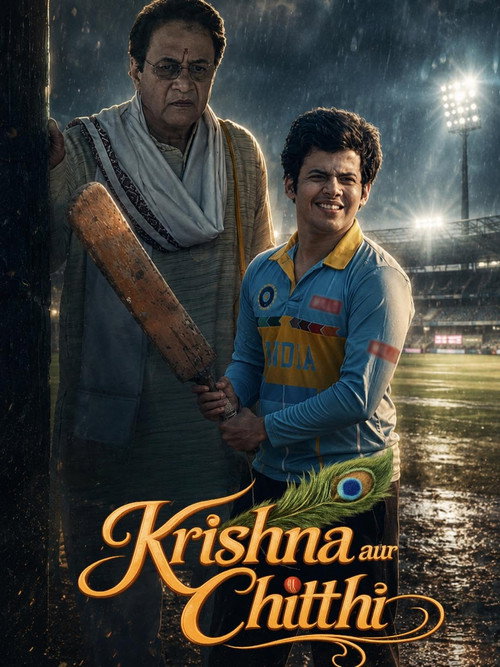
Krishna Aur Chitthi (2026) is a thoughtful drama for those who appreciate quiet, character-driven reflections on faith
Krishna Aur Chitthi is a rewarding watch for audiences who enjoy character-focused dramas that bridge the gap between contemporary cultural obsessions and traditional spirituality. It succeeds by grounding its lofty thematic ambitions in the intimate, everyday lives of its central figures rather than relying on spectacle.
A Bridge Between Stadiums and Shrines
The film manages the difficult task of balancing the modern fervor for cricket with the timeless search for spiritual guidance. By positioning the “God of Cricket” alongside the traditional reverence for Krishna, it creates a unique space where the intensity of a stadium crowd feels surprisingly compatible with the solemnity of a temple. This thematic fusion provides a fresh lens through which to view the nature of devotion in a modern household.
Where the film occasionally falters is in its pacing, as the transition between the high-stakes world of sports fandom and the quiet moments of prayer can feel abrupt. While the script attempts to harmonize these two worlds, some sequences lean too heavily into the metaphorical connection, losing the grounded realism that makes the earlier scenes so compelling. Despite this, the core premise remains intact, offering a sincere look at how humans project their hopes onto both idols and deities.
Performance and Character Dynamics
Darsheel Safary delivers a performance that anchors the emotional weight of the narrative, portraying a character caught between the excitement of the IPL and deeper existential questions. His chemistry with Arun Govil’s Panditji provides the film with its most poignant moments, as the two represent vastly different generations of belief. It is in these quiet, unhurried conversations that the film truly finds its voice, moving beyond the surface-level premise of sports versus religion.
Some viewers might find the inclusion of Sajjad Delafrooz’s MLA Iqbal Qureshi to be a distraction from the central family drama. While his presence adds a layer of social complexity to the story, it occasionally pulls the focus away from the intimate, domestic sphere where the most significant character development occurs. Those looking for a singular focus on the relationship between Arjun and Panditji might find these political subplots to be an unnecessary complication in an otherwise focused story.
The Verdict for Modern Audiences
This drama is an ideal selection for viewers who value slow-burning narratives that prioritize emotional resonance over plot-driven twists. If you are someone who enjoys films that examine the psychology of fandom and the sincerity of personal faith, you will likely find a great deal to appreciate here. It avoids the trap of being overly cynical, choosing instead to present a world where the intentions behind our prayers—whether directed at a screen or an altar—carry genuine weight.
Conversely, those seeking a fast-paced sports movie or a high-octane thriller should look elsewhere, as the 121-minute runtime is dedicated entirely to internal reflection and dialogue. The film demands patience and a willingness to engage with its philosophical inquiries about what we choose to worship in our daily lives. If you prefer your cinema to provide clear-cut answers rather than lingering questions about the nature of devotion, this experience may prove too contemplative for your tastes.