Joker: Folie à Deux is a Daring but Disjointed Musical Experiment
Without the continuation of the predecessor’s gritty realism, the film opts for the more polarizing route of a song-filled internal monologue and at the same time abandons narrative cohesion. Sure, you can appreciate the bold, experimental swings, but there aren’t enough to redeem the film’s shortcomings.
Technical Brilliance Meets Structural Chaos
The movie succeeds in creating a suffocating tactile quality of 1980s prison incarceration with great immersion in cinematography and production design. Some might find the musical numbers distracting, but they are executed well and show the main character’s fractured mind in ways that the previous film could only do with dialogue.
That said, some of the shifts from the dark, stark prison drama to the operatic prison musical numbers is sudden and hard to follow. While some reviewers appreciated the daring musicals, it comes across as unconnected and the audience is left with very little but tonal whiplash and a story that lacks a consistent flow.
A Muted Turn for Phoenix and Gaga
Joaquin Phoenix has changed his acting style and performance. He has moved on from loud, chaotic cackling. Because of this change, the subtle, yet diverse, side of Arthur Fleck can be explored. From the point of view of some viewers, the character’s journey, which became repetitive and static, may be interpreted as such in relation to the jail setting.
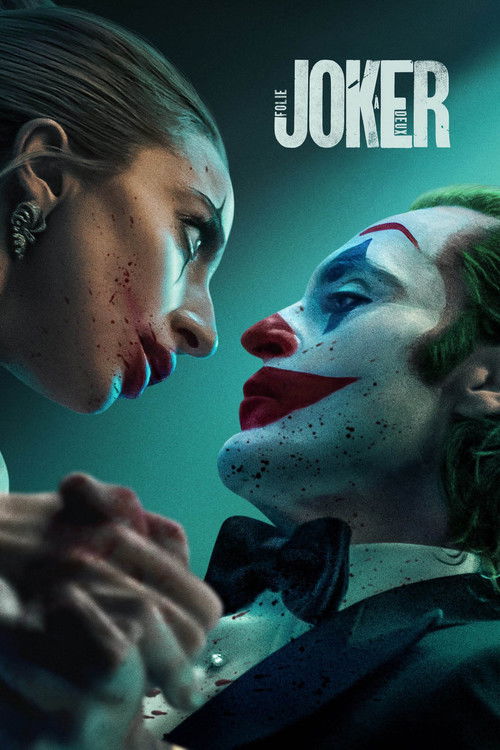
Lady Gaga has brought in a psychological, manipulative element to the character, but much of the time, she is frustratingly underutilized. When the leads on the film are brought together they create a powerful, energetic spark. However, unfortunately, the film is structured in such a way that it tends to put them apart; thus, the potential in their dynamic feels unutilized, leaving the narrative in a strange state.
Who Should Engage With This Madness
For people interested in mood-based character studies and not action or continuity in comics, this film has a lot to sink your teeth into. It’s a difficult, nihilistic study of identity that doesn’t follow genre conventions.
On the other hand, if you want a sequel that picks up right where the first movie left off or an old-fashioned supervillain origin story, avoid this at all costs. The slow pace, emphasis on inner emotional turmoil, and operatic style are guaranteed to frustrate anyone who is hoping for a conventional crime thriller.
Joker: Folie à Deux: Ending Explained
*(Spoilers ahead)* The end offers a harsh dismantling of the Joker mythos, removing the romanticized chaos that Arthur Fleck unintentionally built up. The movie suggests that the madness was not a monumental, avant-garde act, but an unfortunate, singular, psychological delusion by Tommy. The last twists underline that Arthur’s grand wish for love and recognition was his downfall, truly finishing off what was left of his image as a cultural legend.