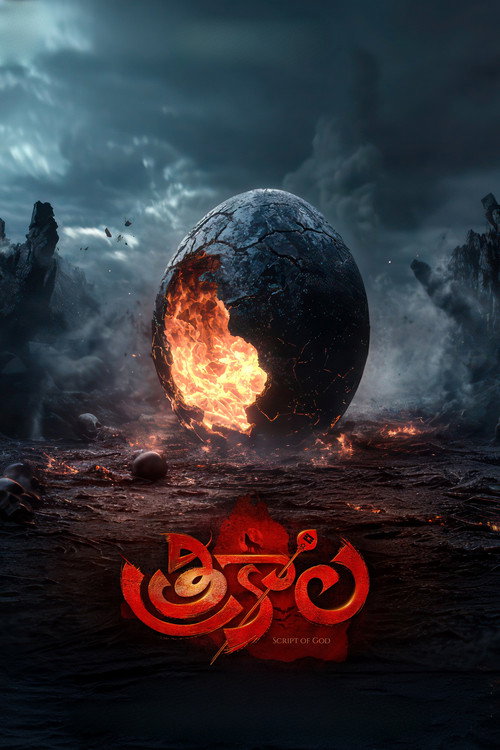
Trikala: Script of God is a Provocative but Unbalanced Thriller
Trikala: Script of God (2026) is a high-stakes thriller that effectively leans into the gravity of Indian Sanatana Dharma to frame its central conflict. While the film succeeds in establishing a compelling atmosphere of impending doom, it occasionally struggles to reconcile its philosophical weight with the demands of a fast-paced genre piece.
A Bold Fusion of Myth and Tension
The film excels by grounding its thriller mechanics in the concept of the Trikala as an ancient, divine force tasked with restoring order. By positioning this supernatural protector against a backdrop of encroaching global darkness, the narrative creates a genuine sense of urgency that transcends typical action tropes. The visual language used to depict this transition from chaos to light is striking, providing a tangible stakes-based anchor for the audience.
Where the film feels less certain is in its pacing, particularly during the middle act where the exposition of the Dharma-based lore slows the momentum. While many viewers might appreciate the dedication to world-building, I found that the heavy reliance on dialogue to explain the Trikala’s origin actually diminishes the mystery that the film works so hard to cultivate. It would have been more effective to let the visual cues of the “Illuminator” speak for themselves rather than over-explaining the mechanics of the divinity.
Finding the Target Audience
This film is a strong recommendation for viewers who enjoy thrillers that prioritize thematic depth and cultural mythology over standard procedural beats. If you are looking for a story that attempts to weave ancient concepts of light and darkness into a modern narrative, the 127-minute runtime provides enough room for these ideas to breathe. It is a thoughtful exploration of how traditional wisdom might confront contemporary despair.
Conversely, those who prefer their thrillers to be lean, mean, and devoid of heavy philosophical subtext should likely steer clear. The film’s commitment to its specific cultural framework means that if you are not invested in the premise of the Trikala as a literal savior, the narrative stakes will feel distant and overly abstract. It is a niche experience that demands patience and an interest in the intersection of faith and suspense.
Trikala: Script of God: Ending Explained
(Spoilers ahead) The conclusion of the film pivots on the realization that the Trikala is not merely an external force, but a cyclical necessity inherent in the nature of reality. By revealing that the “Script of God” is a living, breathing process rather than a static document, the film argues that the light does not just arrive from outside, but is ignited by the characters’ choices during the final conflict.
This resolution shifts the genre from a simple fight against evil to a meditation on individual responsibility within the cosmic order. The ending suggests that the darkness is never truly defeated, but rather kept in check by the constant, recurring emergence of those who choose to act as illuminators. It is a bleak yet hopeful realization that strips away the comfort of a definitive victory, leaving the audience to contemplate the weight of their own potential roles in the cycle.