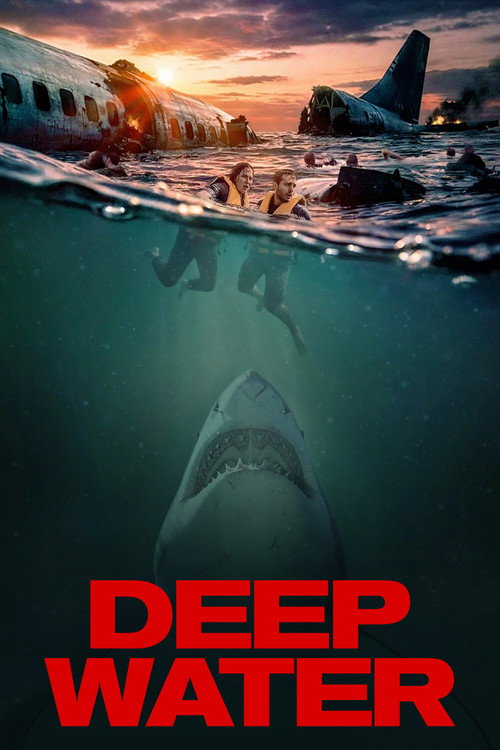
Deep Water (2026) is a Tense Survival Exercise for Genre Enthusiasts
Deep Water is a functional, high-stakes survival thriller that succeeds primarily through its claustrophobic setting rather than its creature effects. If you enjoy contained horror scenarios, the film provides enough tension to satisfy, though it struggles to elevate its standard shark-attack premise into something truly memorable.
Claustrophobia Over Creature Design
The film excels when it focuses on the internal dynamics of the trapped survivors rather than the sharks themselves. By grounding the horror in the sinking wreckage, the cinematography by DJ Stipsen creates a palpable sense of dread that relies on tight frames and shifting water levels. This approach effectively turns the plane into a tomb, forcing the audience to experience the same suffocating panic as the characters.
Conversely, the shark sequences often feel like a distraction from the more compelling human drama. While the premise demands a predator, the digital sharks lack the weight and presence needed to make the threat feel truly visceral. The film would have been stronger had it leaned harder into the psychological breakdown of the passengers, as the creature-feature elements frequently undercut the gravity of the emergency landing.
Performance Dynamics and Character Utility
Aaron Eckhart and Ben Kingsley bring a surprising amount of gravitas to a script that otherwise leans heavily into familiar survival tropes. Eckhart’s portrayal of Ben anchors the group’s desperation, while Kingsley offers a measured performance that prevents the dialogue from devolving into pure hysteria. Their interactions provide the necessary friction to make the cooperation required for survival feel earned rather than forced.
Those who prefer character-driven suspense will find much to appreciate in these performances, particularly the way the actors navigate the shifting alliances within the fuselage. However, viewers looking for a fresh take on the shark-horror subgenre might find the character archetypes too predictable. If you are tired of the standard “bickering survivors” trope, the script’s reliance on these familiar beats might lead to frustration despite the committed acting.
The Pacing of a Sinking Vessel
At 107 minutes, the film maintains a steady rhythm that mirrors the slow, inevitable submersion of the plane. Fernando Velázquez’s score is particularly effective here, using percussive, low-frequency sounds that mimic the creaking of metal under pressure. This sonic environment helps bridge the gap between the quieter moments of planning and the chaotic, high-intensity attacks from the water.
The pacing does falter in the second act, where the narrative loops through a few too many failed escape attempts. While these setbacks are logically sound given the premise, they begin to feel repetitive after the third iteration. If you enjoy methodical, slow-burn thrillers, this structural choice will likely keep you engaged, but those seeking constant momentum may find the middle section of the film tedious.
Deep Water: Ending Explained
(Spoilers ahead) The conclusion of the film serves as a bleak commentary on the cost of collective survival. When the final survivors finally break free from the wreckage, the film makes it clear that the ocean does not distinguish between those who acted selflessly and those who prioritized their own safety. The ending suggests that while humanity can overcome its differences to solve a mechanical or environmental problem, the aftermath of such trauma leaves everyone fundamentally changed, stripping away the social veneer that existed before the crash.
The final image of the water settling over the wreckage reinforces the theme that the sharks were merely a catalyst for a much deeper human reckoning. By the time the survivors reach the surface, the victory feels hollow, highlighting the film’s underlying cynicism about human nature under pressure. It is not a triumphant escape, but a grim realization that the most dangerous elements in the water were the passengers themselves.