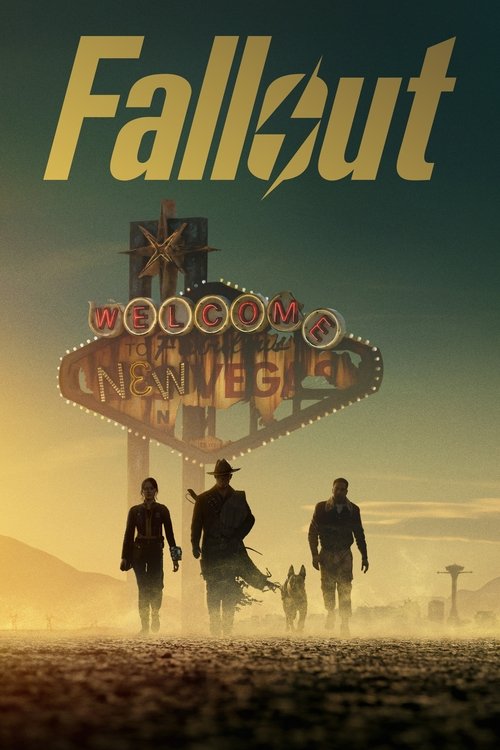
Fallout (2024) is a Gritty, Unflinching Look at Societal Collapse
Fallout is a highly recommended experience for those who enjoy dark, satirical science fiction that balances extreme violence with biting commentary on corporate greed. It succeeds by grounding its bizarre, irradiated world in a desperate human struggle that feels both expansive and intimately cruel.
A Brutal Collision of Two Worlds
The series excels at contrasting the sterile, claustrophobic comfort of the Vaults with the chaotic, sun-scorched lawlessness of the surface. By forcing Lucy MacLean out of her bunker, the show effectively uses her naivety as a lens to reveal the grotesque reality of a world that has spent two centuries rotting away. The production design captures this decay with a tactile sense of grime that makes the irradiated hellscape feel genuinely dangerous.
Where the show occasionally falters is in its pacing, as the narrative threads sometimes struggle to maintain momentum while juggling three distinct perspectives. While the mainstream consensus often praises the relentless intensity, I find the show actually hits its peak during the quieter, character-driven moments of existential dread. These pauses allow the weight of the nuclear catastrophe to sink in far more effectively than the standard action sequences.
The Moral Ambiguity of Survival
At its core, this drama is a scathing critique of capitalism that posits the end of the world as a logical conclusion to unchecked corporate expansion. Characters like Maximus and the various inhabitants of the wasteland are not heroes in the traditional sense, but survivors shaped by a system that discarded them long ago. This focus on the have-nots provides a necessary gravity that prevents the show from becoming merely a collection of eccentric, violent set pieces.
The performances anchor this bleak premise, particularly Ella Purnell and Aaron Moten, who convey the physical and mental toll of their environment without relying on excessive exposition. Ramin Djawadi’s score reinforces this tension, using music to bridge the gap between the nostalgic, alternate-history aesthetic of the past and the harsh, unforgiving reality of the present. It is a rare example of a series that manages to be both deeply cynical and strangely captivating.
Who Should Brave the Wasteland
If you are a fan of high-stakes science fiction that refuses to shy away from the darker implications of a post-apocalyptic future, this series is an ideal choice. It rewards viewers who appreciate complex world-building and a consistent, albeit gruesome, internal logic. The show’s commitment to its own weirdness ensures that it never feels like a generic entry into the genre.
Converesly, those sensitive to graphic violence or nihilistic themes should likely skip this production. The constant presence of mutants and the casual brutality of the surface dwellers can be jarring for viewers looking for a more optimistic or traditional adventure story. If you prefer your narratives to have clear moral signposts, the murky, survival-at-all-costs philosophy of this universe may prove more frustrating than entertaining.